Hey there! I’m working at a hydroxamic acid collectors supplier, and I’ve been knee – deep in the world of flotation reagents lately. Today, I’m super excited to chat about how hydroxamic acid collectors interact with other flotation reagents in a complex system. Hydroxamic Acid Collectors
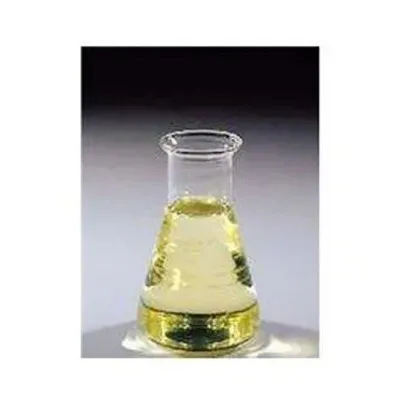
Let’s start by understanding what hydroxamic acid collectors are. Hydroxamic acid collectors are pretty nifty chemicals in the flotation process. They’ve got this amazing ability to bind with specific metal ions, which makes them great for separating valuable minerals from gangue. We’ve been seeing a growing demand for these collectors because they offer high selectivity and work well under different pH conditions.
Now, in a complex flotation system, hydroxamic acid collectors don’t work alone. They’re part of a team with other reagents like frothers, activators, and depressants. And how they interact with these other reagents can make or break the flotation process.
First off, let’s talk about frothers. Frothers are used to create a stable foam layer on the surface of the flotation cell. This foam is crucial because it helps carry the hydrophobic mineral particles to the top, where they can be collected. When hydroxamic acid collectors are in the mix, the interaction with frothers is all about balance.
If the frother is too strong, it can create a foam that’s so stable that the mineral – laden bubbles can’t break, and it becomes difficult to separate the concentrate. On the other hand, if the frother is too weak, the foam won’t be stable enough to hold the particles. Hydroxamic acid collectors can affect the frothing properties. For example, they might change the surface tension of the liquid, which in turn impacts how the frother behaves. Sometimes, we’ve noticed that certain hydroxamic acid collectors can enhance the frothing ability of a particular frother. It’s like they work together to create the perfect foam environment for mineral recovery.
Activators are another key player in the flotation game. Activators are used to increase the reactivity of the mineral surface, making it easier for the collector to attach. When it comes to hydroxamic acid collectors, the interaction with activators can be really interesting. Some metal ions can act as activators for hydroxamic acid collectors. For instance, copper ions can activate the flotation of certain minerals by forming a complex with the hydroxamic acid on the mineral surface.
This complex formation makes the mineral surface more hydrophobic, so it can attach to the bubbles more easily. But it’s not always straightforward. The concentration of the activator matters a lot. If there’s too much activator, it can cause unwanted side reactions, like over – activation of gangue minerals, which can reduce the selectivity of the flotation process. We’ve had to do a lot of testing to find the right balance of hydroxamic acid collectors and activators for different minerals.
Depressants are the opposite of activators. They’re used to prevent certain minerals from floating. In a complex system with hydroxamic acid collectors, depressants can have a significant impact. For example, some depressants can adsorb onto the mineral surface, blocking the sites where the hydroxamic acid collector would normally bind. This can be a problem if the depressant is over – dosed, as it can reduce the recovery of the valuable minerals.
But when used correctly, depressants can improve the selectivity of the flotation process. We’ve found that by carefully choosing the type and amount of depressant, we can separate different minerals more effectively. For instance, in a system where we’re trying to separate a valuable metal from its associated gangue, a well – chosen depressant can keep the gangue from floating while allowing the hydroxamic acid collector to bind to the valuable metal.
The pH of the flotation system also plays a huge role in how hydroxamic acid collectors interact with other reagents. Hydroxamic acid collectors have different dissociation states at different pH values. At low pH, they might exist in a more protonated form, which can affect their ability to bind to metal ions. And at high pH, they can be more deprotonated.
The other reagents in the system are also pH – sensitive. Frothers, activators, and depressants can all change their behavior depending on the pH. For example, some activators might work better at a certain pH range, and if the pH is off, the interaction between the hydroxamic acid collector and the activator won’t be as effective. We’ve spent a lot of time in the lab adjusting the pH to optimize the performance of our hydroxamic acid collectors in combination with other reagents.
Temperature is another factor that we can’t ignore. In a complex flotation system, temperature can influence the kinetics of the reactions between hydroxamic acid collectors and other reagents. Higher temperatures generally increase the reaction rate, which means that the collector can bind to the mineral surface more quickly. But it can also affect the stability of the froth and the solubility of some reagents.
For example, if the temperature is too high, some frothers might break down, and the foam won’t be as stable. We’ve had to consider the temperature conditions of different mining sites when recommending our hydroxamic acid collectors and other reagents. In colder climates, we might suggest different formulations to ensure that the flotation process works efficiently.
In real – world applications, these interactions can get even more complicated. Different ores have different mineral compositions, and the presence of impurities can also affect how the reagents interact. For example, if an ore contains a high amount of certain metal ions, these ions can interfere with the interaction between the hydroxamic acid collector and the target mineral.
We’ve had to develop customized solutions for our clients based on the specific characteristics of their ores. It’s a challenging but really rewarding process. We start by analyzing the ore sample, then we run a series of flotation tests with different combinations of reagents, including our hydroxamic acid collectors, to find the optimal recipe.
As a hydroxamic acid collectors supplier, we’re constantly researching and innovating to improve the performance of our products and understand these complex interactions better. We invest a lot in R & D to develop new formulations that can work more effectively with other reagents in different flotation systems.
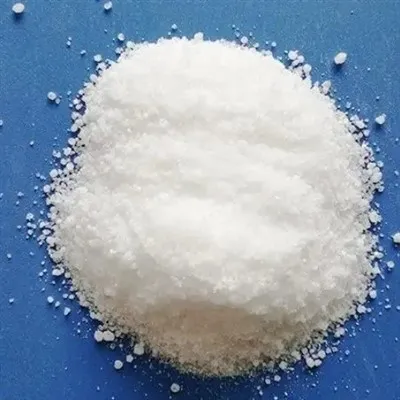
If you’re in the mining industry and you’re looking for high – quality hydroxamic acid collectors, or if you’re facing challenges with your flotation process, don’t hesitate to reach out. We’re here to help you optimize your operations and get the most out of your ore. Our team of experts is always ready to have a chat with you, answer your questions, and provide customized solutions. So, let’s start a conversation and see how we can work together to boost your mineral recovery!
Dithiophosphate References:
- Smith, J. (2018). "Advances in Flotation Reagents: Hydroxamic Acids and Beyond". Journal of Mining Chemistry.
- Johnson, A. (2019). "The Impact of Reagent Interactions in Complex Flotation Systems". Mineral Processing Review.
- Brown, C. (2020). "Temperature Effects on Flotation Reagent Performance". International Journal of Mining Science.
Bitop Bihope Qingdao Mining Co., Ltd
Bitop Bihope Qingdao Mining Co., Ltd. is one of the most professional hydroxamic acid manufacturers and suppliers in China, featured by quality products and low price. Please rest assured to buy discount hydroxamic acid in stock here and get quotation from our factory. Customized orders are welcome.
Address: Room 410, 4th Floor, Shengquan Business Building, No. 263 Yitong Road, Huangdao District, Qingdao City, Shandong Province, China
E-mail: btbhmining@163.com
WebSite: https://www.btbhmining.com/
