In the realm of portable energy storage, two dominant technologies often stand at the forefront of the conversation: lithium – ion (Li – ion) battery products and nickel – metal hydride (NiMH) batteries. As a supplier of lithium – ion battery products, I’ve witnessed firsthand the unique advantages and limitations of both battery types, and I’m excited to unpack the differences for you. Lithium-ion Battery Products
Chemical Composition and Working Principe
At the core of these two battery technologies are distinct chemical compositions and working mechanisms. Lithium – ion batteries rely on the movement of lithium ions between the anode and the cathode through an electrolyte. Typically, the anode is made of graphite, while the cathode can be composed of various materials such as lithium cobalt oxide, lithium manganese oxide, or lithium iron phosphate. During charging, lithium ions move from the cathode to the anode and embed themselves in the graphite layers. When discharging, the lithium ions flow back to the cathode, generating an electric current.
On the other hand, nickel – metal hydride batteries use a hydrogen – absorbing alloy as the anode and nickel hydroxide as the cathode. The electrolyte is usually an alkaline solution, such as potassium hydroxide. When charging, hydrogen atoms are absorbed by the metal alloy at the anode. During discharge, the hydrogen atoms release electrons and combine with the hydroxide ions in the electrolyte to form water, creating an electrical current.
The chemical differences lead to significant disparities in battery performance. Li – ion batteries generally have a higher energy density, which means they can store more energy in a given volume or weight compared to NiMH batteries. This high energy density is a crucial advantage for applications where space and weight are premium, such as smartphones, laptops, and electric vehicles. For example, a modern smartphone can last a full day of use with a relatively small Li – ion battery, while a NiMH battery of the same size would provide significantly less power.
Performance Metrics
Energy Density
As mentioned earlier, energy density is one of the most critical differences between the two battery types. Li – ion batteries typically have an energy density in the range of 100 – 265 Wh/kg, while NiMH batteries usually have an energy density of around 60 – 120 Wh/kg. This means that for a device that requires a certain amount of energy to operate, a Li – ion battery can be smaller and lighter than a NiMH battery. For instance, in the field of electric vehicles, the high energy density of Li – ion batteries allows for longer driving ranges without the need for an overly large and heavy battery pack.
Self – Discharge Rate
The self – discharge rate is another important performance metric. Self – discharge refers to the loss of charge when a battery is not in use. NiMH batteries have a relatively high self – discharge rate, typically losing about 1 – 3% of their charge per day. This means that if a NiMH battery – powered device is left unused for an extended period, it may lose a significant amount of charge. In contrast, Li – ion batteries have a much lower self – discharge rate, usually around 0.5 – 1% per month. This makes Li – ion batteries more suitable for devices that are not used frequently, such as emergency flashlights or digital cameras that are only used occasionally.
Charge and Discharge Efficiency
Li – ion batteries also have a higher charge and discharge efficiency compared to NiMH batteries. When charging a battery, there is always some energy loss in the form of heat. Li – ion batteries can convert a higher percentage of the electrical energy supplied during charging into stored chemical energy. Similarly, during discharge, Li – ion batteries can deliver a larger proportion of their stored energy to the device. This efficiency translates into less wasted energy and longer battery life in practical use.
Cycle Life
Cycle life refers to the number of charge – discharge cycles a battery can undergo before its capacity drops to a certain level, usually 80% of its original capacity. Li – ion batteries generally have a longer cycle life than NiMH batteries. High – quality Li – ion batteries can endure 500 – 1000 charge – discharge cycles or even more, depending on the specific chemistry and usage conditions. NiMH batteries, on the other hand, typically have a cycle life of 200 – 500 cycles. This means that Li – ion batteries can be used for a longer time before needing to be replaced, making them a more cost – effective option in the long run.
Safety Considerations
Safety is a paramount concern when it comes to batteries. Both Li – ion and NiMH batteries have their own safety characteristics.
Li – ion batteries are more sensitive to overcharging, over – discharging, and overheating. If a Li – ion battery is overcharged, the lithium metal can deposit on the anode, leading to a short circuit and potentially causing a fire or explosion. Additionally, high temperatures can accelerate the degradation of Li – ion batteries and increase the risk of thermal runaway. To mitigate these risks, Li – ion batteries are usually equipped with advanced battery management systems (BMS) that monitor and control the charging and discharging processes, including limiting the voltage and current to safe levels.
NiMH batteries are generally considered to be more forgiving in terms of overcharging and over – discharging. They have a lower risk of thermal runaway and are less likely to cause a fire or explosion. However, NiMH batteries can still generate heat during charging and discharging, especially if they are used at high currents or in high – temperature environments. It’s important to use proper charging equipment and follow the manufacturer’s guidelines to ensure the safe operation of NiMH batteries.
Cost and Environmental Impact
Cost is an important factor in the choice between Li – ion and NiMH batteries. Historically, Li – ion batteries were more expensive to produce than NiMH batteries. However, with the increasing scale of production and technological advancements, the cost of Li – ion batteries has been decreasing steadily. Today, in many applications, the cost difference between the two battery types is becoming less significant, especially when considering the longer cycle life and higher energy density of Li – ion batteries.
In terms of environmental impact, both battery types have their pros and cons. Li – ion batteries contain toxic and flammable materials, such as lithium salts and organic solvents. Improper disposal of Li – ion batteries can pose a risk to the environment and human health. However, efforts are being made to improve the recycling rate of Li – ion batteries to recover valuable materials such as lithium, cobalt, and nickel. NiMH batteries, on the other hand, do not contain heavy metals such as lead or mercury, which makes them relatively more environmentally friendly in this regard. However, the production of NiMH batteries requires the use of rare earth metals, which can have an environmental impact during the mining and extraction process.
Applications
The differences in performance, safety, cost, and environmental impact of Li – ion and NiMH batteries have led to different application scenarios for each type.
Li – ion batteries are widely used in portable electronic devices such as smartphones, laptops, tablets, and smartwatches. Their high energy density, long cycle life, and low self – discharge rate make them ideal for these applications where small size, light weight, and long – lasting power are essential. Li – ion batteries are also the dominant choice for electric vehicles, providing the high energy and power density required for long – distance driving.
NiMH batteries are commonly used in applications where cost is a major concern and high energy density is not the primary requirement. They are often used in consumer products such as digital cameras, remote controls, and cordless phones. NiMH batteries are also used in some hybrid electric vehicles, where their relatively high power density and good safety characteristics make them a suitable option.
Conclusion
In conclusion, lithium – ion battery products and nickel – metal hydride batteries have distinct differences in chemical composition, performance, safety, cost, and environmental impact. As a supplier of lithium – ion battery products, I believe that Li – ion batteries offer significant advantages in terms of energy density, cycle life, self – discharge rate, and charge – discharge efficiency. These advantages make Li – ion batteries the preferred choice for many modern applications, especially those that demand high performance and long – term reliability.
If you are in the market for high – quality lithium – ion battery products for your specific application, I invite you to reach out to me for a detailed discussion. We can explore how our lithium – ion battery solutions can meet your needs and provide you with the best value. Whether you are developing a new portable electronic device or an electric vehicle, our team of experts is ready to assist you in finding the most suitable battery technology for your project.
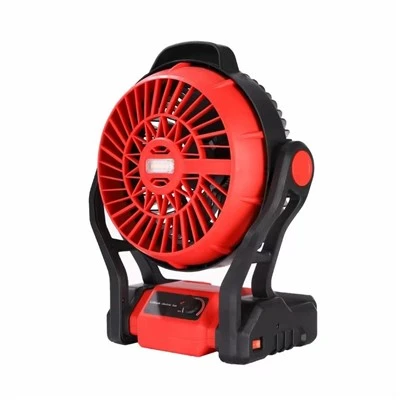
Outdoor Fan Let’s start a conversation and see how we can work together to power your innovation.
References
- Linden, D., & Reddy, T. B. (2002). Handbook of Batteries. McGraw – Hill.
- Tarascon, J. M., & Armand, M. (2001). Issues and challenges facing rechargeable lithium batteries. Nature, 414(6861), 359 – 367.
- Venkatesan, R., & Ramakrishnan, S. (2010). Nickel – metal hydride batteries: A review. Journal of Power Sources, 195(14), 4342 – 4352.
Yongkang Agudo Industry & Trade Co., Ltd.
As one of the most professional lithium-ion battery products manufacturers in China, we’re featured by high quality customized products. Welcome to wholesale bulk advanced lithium-ion battery products in stock here from our factory. If you have any enquiry about pricelist and free sample, please feel free to email us.
Address: 2nd Floor, Unit 2, Building 5, No. 46 Xicheng Huacheng West Road, Xicheng Subdistrict, Yongkang City, Zhejiang Province
E-mail: 15888900905@163.com
WebSite: https://www.cnagudo.com/
