Alright, let’s cut to the chase: if you’re here because you’re staring at a jar of pomegranate molasses next to your pork belly in the fridge at 9 PM, wondering if they’d make sense together for your next slow braise, you’re not alone. I’m a pork belly supplier—so I test way more random flavor combos than I should at home, and this one’s been a quiet workhorse for my restaurant clients and regular retail buyers lately. Let’s break this down like we’re chatting over a beer after a long day, no stuffy food science jargon that makes your eyes glaze over. Slow Braised Pork Belly
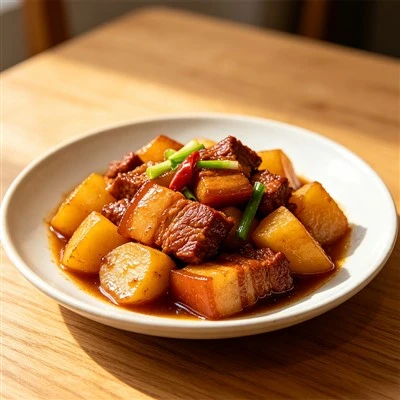
First, let’s get one thing straight: slow braised pork belly lives and dies by the balance of three things: fat, umami, and brightness. Pork belly’s 70% fat (roughly—depending on the cut, of course) melts over 6+ hours at low temp, turning that wobbly fat into silky, rich liquid gold, but if you don’t cut through that richness, it hits like a brick after two bites. Most home cooks (and even a few chefs I’ve met) reach for soy sauce or white vinegar for that brightness, or brown sugar for sweetness. But pomegranate molasses? That’s a game-changer because it’s not just sweet or just sour—it’s both, with that deep, earthy fruitiness that doesn’t taste like every other sweetener you’ve used.
Wait, let’s talk science real quick (I promise it’ll be painless, no formulas). Pomegranate molasses is just reduced pomegranate juice—usually simmered for an hour or so until it’s thick, syrupy, super concentrated, no added sugar (good ones, anyway—we’ll get to picking the right one in a sec). The key stuff here is tannins and organic acids: tannins are that subtle, dry, slightly bitter kick that balances fat (think red wine, which is why it works with fatty cuts), and the acids (citric, malic, just like in citrus) cut through that pork belly’s savoriness without being harsh. Also, it has this weirdly meaty undertone? No, not like meat—like, it amplifies umami, the same thing that makes soy sauce or mushrooms taste savory. That’s why it doesn’t taste weird with pork, it makes the pork taste better.
But here’s the thing: you can’t just dump a full cup of pomegranate molasses into your slow braise and call it a day. I learned that the hard way when I tested a batch for a client’s tasting menu a year ago. I was excited, tossed in a whole jar (we’re talking 8 oz, which is a lot), and by the time the pork was done, it was cloyingly sweet, tangy enough to make you pucker, and had that weird metallic edge that comes from over-reduced fruit sugar. Oops. Turned out, pomegranate molasses is way more concentrated than the sweeteners we usually use. A tablespoon of molasses is the equivalent of a half cup of pomegranate juice, so it packs a punch. For a 2 lb pork belly (the standard cut for slow braising), you only need 2 to 3 tablespoons max. That’s it.
Also, pairing it with other flavors is non-negotiable. Pork belly loves aromatics: garlic, ginger, star anise, maybe a bay leaf, even a splash of chicken stock or rice wine if you want. I like to pair pomegranate molasses with a splash of light soy sauce for umami, a knob of fresh ginger to brighten things up, and a pinch of white pepper to round it out. No need for extra sugar, either—wait, let’s debunk a myth here: some people think fruit-based sweeteners are less sweet than granulated sugar, but pomegranate molasses is actually sweeter than that. That’s why my first test was a disaster; I forgot that and used the same amount I would’ve used for brown sugar. Another pro tip: add the molasses halfway through the braise, not at the start. If you add it when you put the pork in the oven (or slow cooker), the high heat can make the molasses burn on the edges of the pork belly, leaving a bitter crust. Add it when the pork’s been braising for 3 hours, so it has time to meld into the sauce without burning.
Now, let’s talk about why this works for commercial batches too—since I supply pork belly to restaurants and caterers, consistency is everything. Pomegranate molasses is a shelf-stable ingredient, no need for refrigeration, so it’s easy to stock. It also lets us offer a unique dish that stands out from the usual soy-braised pork belly, which is everywhere. One of my regular restaurant clients, a bistro in Brooklyn, switched to my pork belly cuts paired with their pomegranate molasses braise 6 months ago, and their pork belly entree is now their top-selling appetizer—they say people come in specifically for it, asking for “that sweet-tangy pork thing.” I’ve also had home buyers email me saying they tried it for a Sunday dinner, and their family went back for thirds, which is high praise from a group that’s usually skeptical of “weird” ingredients.
But wait, not all pomegranate molasses is created equal. I’ve tested cheap grocery store brands that have added high fructose corn syrup and artificial flavors, and those are garbage for braising. They taste sickly sweet, no depth, and leave a weird aftertaste. Look for brands that list only pomegranate juice (maybe a tiny bit of lemon juice for acidity) on the label, no added sugar. Middle Eastern brands are usually the best—they’ve been making this stuff for centuries, they know what they’re doing. Avoid anything that’s super dark and almost black; good pomegranate molasses is a deep ruby-red, thick like maple syrup but with a slightly thinner consistency.
Let’s talk about the texture and flavor profile of the finished pork belly, because that’s what matters. When done right, the fat is so silky it’ll melt in your mouth, the sauce is a beautiful, glossy reddish-brown, not cloying—you get that sweet pomegranate fruitiness, a subtle tang that cuts through the fat, and a hint of umami from the soy. The meat falls apart, but not so much that it’s mush—you can pick it up with a fork and it holds its shape. I served a batch at a food show last spring, and a chef from a farm-to-table spot came up and said it was the best pork belly he’d had all year, asking where I got the molasses and the pork. (Spoiler: the pork’s from my line, obviously.)
Now, let’s address the “but will it taste weird?” question that’s probably lingering in your head. If you’ve only ever had pork belly with soy and brown sugar, this is a shift, but it’s a good shift. Think of it like swapping a regular soda for a sparkling pomegranate seltzer—both are sweet, but one has way more depth and doesn’t leave you feeling gross. The pomegranate doesn’t taste like a separate fruit in the dish; it tastes like it’s part of the pork, amplifying its richness. I’ve even made a vegetarian version with mushrooms and used the same molasses, and it works too, but let’s stay on topic here.
I also want to mention slow cooker vs. oven braising, since that’s a common debate. I’ve tested both with this molasses. If you’re using a slow cooker, the same rule applies: add the molasses halfway through, use 2 tablespoons for 2 lb pork. If you’re braising in the oven, seal the pork in a Dutch oven with the aromatics and a cup of stock, braise at 300°F for 3 hours, then add the molasses and cook for another hour. Same ratio, same result—just make sure the Dutch oven lid is tight so the sauce doesn’t evaporate too fast and burn.
Wait, let’s throw in a quick pro recipe tweak that I use for my own family: after braising, I take the pork belly out, let it rest for 10 minutes, then brush a little extra pomegranate molasses on the top and broil it for 2 minutes to crisp up the skin. That extra layer of sweetness caramelizes and gives you a crispy, glossy crust that’s next level. No more rubbery pork belly skin—this fixes that.
Now, for the part that matters if you’re buying pork belly (since I’m the supplier here, duh). A lot of buyers ask me for unique flavor pairings, and pomegranate molasses is at the top of my list right now. Our pork belly is cut from humanely raised hogs, no added hormones, thick cut (1.5 to 2 inches, perfect for braising), and we trim off the excess hard fat so you get that perfect ratio of meat to fat. We supply to restaurants, caterers, and even bulk home buyers—if you’re testing this pomegranate molasses braise and want consistent, high-quality pork belly that’ll turn out great every time, hit us up. We can do custom cuts for restaurants, bulk orders for home cooks or catered events, and we even send free recipe cards for new flavor pairings when you order.
Wait, let’s make sure we’re not missing any downsides, because this isn’t a sponsored ad (even though it kind of is, but I’m being real). If you use too much molasses, it gets too sweet and tangy, bitter if it burns. If you use the wrong molasses (the cheap stuff with added sugar), it’s cloying. But if you follow the ratio, pick the right molasses, and add it at the right time, there’s no downside—only an upgrade. I’ve had buyers tell me this dish is now their go-to for dinner parties, holiday meals, even game days because it’s easy to make, impressive, and everyone loves it.
Let me wrap this up so it’s not a novel. The short answer is: yes, you absolutely can use pomegranate molasses in slow braised pork belly. It’s a perfect balance to the fat, adds a unique flavor that stands out, and is way easier to work with than people think—you just have to use the right amount and pair it with the right flavors. As someone who’s been supplying pork belly for years, I can say this is one of the best flavor innovations I’ve seen in a while, and it’s going to be around for a long time.
If you’re ready to try it out, or if you’re a restaurant/caterer looking for a consistent pork belly supply, reach out to discuss bulk orders, custom cuts, or even testing this pomegranate molasses braise for your menu. We’re here to help you make dishes that people rave about, no guesswork required.
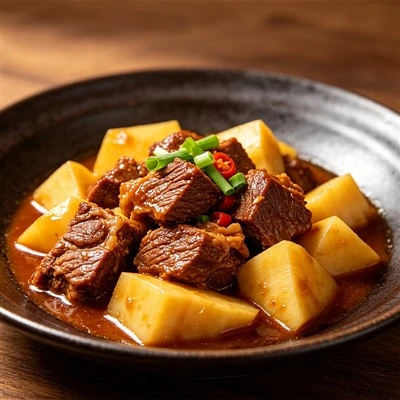
Braised Beef Meat References:
- McGee, H. (2004). On Food and Cooking: The Science and Lore of the Kitchen. Scribner.
- Food and Agriculture Organization of the United Nations. (2010). Pomegranate Processing and Products.
- National Pork Board. (2022). Flavor Pairing Guide for Pork Cuts.
- Taylor, J. (2019). The Kitchen Companion: Understanding Sweeteners and Their Roles in Savory Dishes. Chronicle Books.
Yangzhou Jingsheng Food Co., Ltd.
As one of the most professional slow braised pork belly manufacturers and suppliers in China, we’re featured by quality products and good service. Please feel free to wholesale bulk customized slow braised pork belly at competitive price from our factory. Welcome to contact us for quotation and free sample.
Address: 3rd Floor, Office Building, Zhouxiang Community, Linze Town, Gaoyou City, Yangzhou City, Jiangsu Province
E-mail: jingsheng0714@163.com
WebSite: https://www.jingshengfood.com/
