If you’ve ever walked into a commercial office building, a residential basement renovation, or a grocery store’s drop ceiling, chances are you’ve glanced over the unseen framework holding those panels up: the C-type ceiling furring channel. For years, my team and I have supplied these metal channels to contractors, builders, and DIYers across the country, and one question comes up more often than any other: “How waterproof are these things?” It’s a fair question—especially when these channels often end up in spaces exposed to high humidity, occasional leaks, or even direct water splashes. Today, I want to break this down not as a generic product spec, but from the perspective of someone who’s sold, installed, and troubleshooted these channels for over a decade. C Type Ceiling Furring Channel
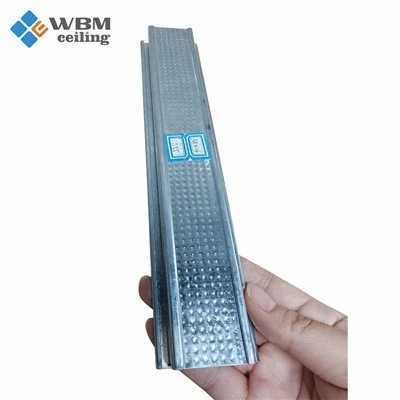
First, let’s get clear on what we’re actually talking about here. A C-type ceiling furring channel is a thin, C-shaped metal strip used as a secondary support for ceiling panels. It’s installed perpendicular to the main ceiling runner, spaced 16 or 24 inches apart depending on the project, and tied to the structure above with hangers. The “C” shape gives it rigidity, so it can hold the weight of ceiling tiles, drywall, or acoustical panels without sagging. These channels used to be made almost exclusively of plain carbon steel, but over time, manufacturers (including my team, as a supplier) shifted to coated versions to address performance issues—most notably, water damage. That shift is exactly why waterproof performance varies so much from one channel to another, and why it’s not a one-size-fits-all answer.
Let’s start with the basics: plain carbon steel furring channels. If you buy the uncoated, galvanized-light stuff that’s super cheap, it will rust. Full stop. Galvanization is a zinc coating applied to steel to prevent rust, but not all galvanization is equal. The cheapest grade, often called “GI” (galvanized iron) with a zinc thickness of less than 0.8 ounces per square foot, will wear off quickly if exposed to consistent moisture. I’ve seen channels like this installed in a bathroom ceiling, where steam from showers seeped through the drywall, and within 18 months, the channels had enough rust to corrode through their C-shape, causing the ceiling panels to sag. This is the kind of channel that works great for dry, indoor spaces like offices with central HVAC, but it’s a bad choice for any area where water is present even occasionally. If you’re the type of builder who cuts costs to win bids, this might seem like a steal—but it’s a ticking time bomb for maintenance down the line, and as a supplier, we stopped carrying this grade 10 years ago.
Now, the standard for most general construction is what we call “G90 galvanized” steel. G90 means the channel has 0.9 ounces of zinc per square foot, a thick enough coating to resist rust in most indoor, non-extreme environments. For example, if you’re installing a drop ceiling in a conference room or a retail space where the only moisture is occasional cleaning spills, G90 will hold up for 20+ years with no issues. But here’s the catch: G90 is not waterproof. It’s rust-resistant, not waterproof. If water sits on the channel for extended periods—say, a leaky roof that goes unnoticed for a week, or a ceiling above a shower where water drips directly onto the channels—the zinc coating will eventually break down. Zinc oxidizes when exposed to standing water, and once that oxidation starts, it creates a porous layer that lets water reach the underlying steel, which then rusts. We saw this play out a few years back on a hotel project in Florida: a minor roof leak went unrepaired for three weeks, and 200 linear feet of G90 channels at the edge of the ceiling had to be replaced, along with the water-damaged drywall. That’s an extra $15,000 in cost that the builder didn’t account for, all because they didn’t ask about more waterproof options.
Which brings us to the next tier: the truly water-resistant (and often waterproof) C-type furring channels that we specialize in as a supplier. When we say “waterproof,” we’re not talking about something that can be fully submerged for months—though some of our products can handle that. We’re talking about channels engineered to handle prolonged exposure to moisture, direct splashes, and even temporary submersion without corroding. The two most common coatings we use for these are powder-coated steel and stainless steel. Let’s talk about powder-coated first. Powder coating is a dry finish that’s electrostatically applied to the metal, then baked on to create a hard, uniform layer that seals the steel (and the zinc undercoat) completely. We use polyester powder coating for most of our waterproof-grade channels, which has a thickness of 2 to 3 mils—thick enough to resist scratches, chips, and water penetration. I’ve seen these channels installed in commercial kitchens, where steam from dishwashers and occasional spray from sinks hit the ceiling every day, and they’ve lasted 15 years with no rust or corrosion. The key here is that the powder coating has to be applied consistently. If there are pinholes or uneven coverage during manufacturing, water can get in, just like with a thin galvanized coat. That’s why we test every batch of our powder-coated channels for water resistance: we submerge small samples in tap water for 72 hours, then check for rust or coating blistering. If a batch fails, we send it back to the manufacturer—no exceptions.
Then there’s stainless steel furring channels, the gold standard for the wettest environments. Stainless steel is an alloy of iron, chromium, and other elements, and the chromium creates a self-healing oxide layer that forms when exposed to oxygen. That means even if the surface is scratched, the layer repairs itself, and rust can’t get a foothold. We use 304-grade stainless steel for most waterproof applications, which is enough for kitchens, bathrooms, pools, and basements with constant moisture. For even harsher environments—like industrial spaces with chemical spills or coastal areas with salt air—we offer 316-grade stainless steel, which has extra molybdenum to resist corrosion from salt and chemicals. Last year, we supplied 500 linear feet of 316-grade channels for a new pool facility in South Carolina, and the project specs required them to be installed within 12 inches of the pool deck, where chlorine fumes and splashes are constant. A year later, the contractor called me to say they’d checked them and there was no sign of rust, even on the edges where the channels were cut. The downside of stainless steel is the cost: it’s 2 to 3 times more expensive than G90 galvanized, and even more than powder-coated steel. But for projects where failure isn’t an option, it’s worth every penny.
Wait a second—let’s clear up a common misconception here. A lot of people think that just because a ceiling furring channel is called “C-type” and made of metal, it’s interchangeable for all waterproof jobs. That’s not true. The waterproof performance also depends on how you install the channel. No coating in the world will save a channel that’s installed incorrectly in a water-prone area. For example, if you mount a channel directly on a damp concrete ceiling without any type of barrier, moisture will wick up from the concrete into the channel, even if the channel has a perfect coating. We always recommend using a plastic or rubber pad between the channel and the structure above to prevent that wicking. Also, spacing matters: if you have a channel that’s sagging, the joints between channels can open up, and water can seep into those gaps, damaging the coating over time. As a supplier, we include installation guidelines with every order, and we train our sales team to walk through specific project requirements with customers so they don’t make these mistakes.
Another thing that affects waterproof performance is thickness. C-type ceiling furring channels come in different gauges—25-gauge, 20-gauge, 18-gauge. The thicker the metal, the more durable the coating is, and the less likely it is to bend or scratch during installation. A 25-gauge channel is thin, easy to cut, but if you’re installing it in a basement where you might bump it with a ladder, the coating can chip, leaving a spot for rust to start. We recommend at least 20-gauge metal for any waterproof application, because it’s thick enough to handle minor impacts and still keep its coating intact. For areas with heavy foot traffic above the ceiling (like a rooftop patio), we even go with 18-gauge, since the channels have to support more weight and are more likely to be nicked during installation.
Let’s talk about real-world use cases to make this concrete (pun intended). Last month, a contractor in Texas reached out to us because he’d had bad luck with channels for a commercial laundry room. He’d used G90 galvanized channels, and within two years, the steam and detergent splashes had caused the channels to rust so bad that the ceiling tiles were falling down. He needed something that would last 10 years, with no maintenance. We suggested our powder-coated 20-gauge C-type channels, and also included rubber gaskets to put between the channels and the ceiling joists to prevent moisture wicking. Six months later, he sent us a photo of the ceiling, and it looked brand new. He told us he’d already recommended us to three other laundry room projects. On the flip side, a homeowner reached out last year because they’d installed uncoated steel channels in their bathroom ceiling during a renovation. Within a year, rust had streaked down the drywall. We pointed them to our G90 channels, and explained that for their small bathroom, G90 would be sufficient if they made sure the bathroom ventilation fan was working properly to reduce steam buildup. That’s the kind of guidance you won’t get from a big-box store, where the employee just grabs the cheapest channel off the shelf and moves on. As a supplier, our job isn’t just to sell product—it’s to make sure it works for their specific needs.
I also want to address a question I get a lot: “What about waterproofing the channel itself, or the entire ceiling system around it?” That’s a great point. Even the best C-type furring channel won’t work if the rest of the ceiling isn’t sealed. For example, if you have a leak in the roof, the channels will get wet no matter what, but if you pair waterproof channels with a waterproof underlayment and sealed drywall, the system as a whole will hold up. We often work with contractors to recommend complementary products, like waterproof ceiling panels and sealants, to create a complete system that’s built to last. It’s not just about the channel—it’s about how it fits into the bigger picture.
One thing I’ve learned over 12 years in this business is that there’s no such thing as “one hundred percent waterproof for all time” when it comes to metal products. Even the best stainless steel will corrode if it’s exposed to extremely high concentrations of certain chemicals, like sulfuric acid, for years. But for 99% of residential, commercial, and light industrial projects, there’s a C-type ceiling furring channel that will meet waterproof requirements. The key is matching the right channel type, coating, and gauge to your specific environment.
If you’re planning a project that involves ceiling furring channels, and you’re worried about water damage, don’t guess. Talk to someone who actually knows the products, not someone who just sells them. As a supplier, we offer free consultations, no obligation, to walk through your project, ask about the environment your channels will be in, and recommend the best option for your budget and needs. Whether you’re a small contractor with a bathroom renovation or a large construction firm building a new grocery store, we have the C-type furring channels you need, with the waterproof performance to back it up.

Don’t let a bad channel choice turn into costly repairs down the line. Reach out today to discuss your project, and let’s make sure your ceiling framework is built to last, even in the wettest spaces.
Accessories References
- Stainless Steel Industry Association. (2021). Corrosion Resistance of Stainless Steels in Moist Environments.
- American Iron and Steel Institute. (2020). Galvanized Steel Product Specification and Performance Guidelines.
- Powder Coating Industry Association. (2022). Durability and Water Resistance of Polyester Powder Coatings for Metal Building Products.
- National Kitchen and Bath Association. (2021). Ceiling Support Systems for High-Humidity Residential and Commercial Spaces.
Langfang Weikaihua Building Material Co., Ltd.
Langfang Weikaihua Building Material Co., Ltd. is one of the most professional c type ceiling furring channel manufacturers and suppliers in China, featured by quality products and low price. Please rest assured to buy discount c type ceiling furring channel from our factory. Contact us for customized service and free sample.
Address: Peng Er Wan Villiage, Zhao Ge Zhuang Town, Wen’an County, Langfang City, Hebei Province, China
E-mail: joyce@wbm.cc
WebSite: https://www.wbmceiling.com/
