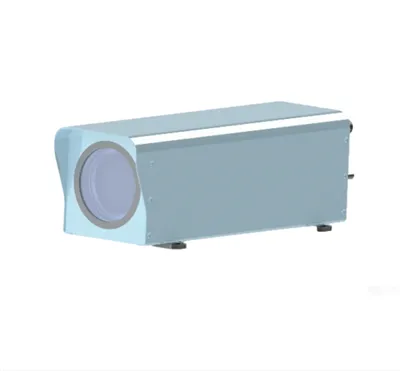
As a supplier of MWIR (Mid-Wave Infrared) camera lenses, I’ve often been asked whether these lenses can be effectively used for agricultural monitoring. In this blog post, I’ll delve into the technical aspects, benefits, and challenges of using MWIR camera lenses in the agricultural sector. MWIR Camera Lens
Technical Overview of MWIR Camera Lenses
MWIR camera lenses operate in the mid – wave infrared spectrum, typically between 3 and 5 micrometers. This spectral range offers unique advantages compared to visible light and other infrared bands. The MWIR region is sensitive to the thermal radiation emitted by objects. In the context of agriculture, plants, soil, and water all emit thermal energy in the MWIR range, which can be captured by MWIR camera lenses.
The technology behind MWIR camera lenses is based on the principle of detecting infrared radiation and converting it into an electrical signal. This signal is then processed to generate an image. The lenses are designed to have high optical quality to ensure clear and accurate imaging. They are often made from materials such as germanium, which has excellent transmission properties in the MWIR spectrum.
Advantages of Using MWIR Camera Lenses in Agricultural Monitoring
Crop Health Assessment
One of the primary benefits of using MWIR camera lenses in agriculture is the ability to assess crop health. Plants emit different levels of thermal radiation depending on their physiological state. For example, a healthy plant will have a different thermal signature compared to a stressed or diseased plant. By using MWIR camera lenses, farmers can detect early signs of stress, such as water deficiency or pest infestation.
Water stress is a common issue in agriculture. When a plant is water – stressed, it closes its stomata to reduce water loss. This closure affects the plant’s transpiration rate, which in turn changes its thermal properties. MWIR camera lenses can detect these changes in thermal radiation, allowing farmers to identify areas of the field that need more water.
Pest infestations can also be detected using MWIR camera lenses. Insects and diseases can cause changes in the plant’s metabolism, leading to variations in thermal emission. By monitoring the thermal patterns of crops, farmers can detect the presence of pests early and take appropriate measures to control them.
Soil Moisture Monitoring
Soil moisture is a crucial factor in crop growth. MWIR camera lenses can be used to monitor soil moisture levels. The thermal properties of soil are affected by its moisture content. Dry soil has a different thermal signature compared to wet soil. By analyzing the thermal images captured by MWIR camera lenses, farmers can get an accurate picture of the soil moisture distribution in their fields.
This information is valuable for irrigation management. Farmers can use the data to determine which areas of the field need more or less water, reducing water waste and improving crop yields.
Livestock Monitoring
In addition to crop monitoring, MWIR camera lenses can also be used for livestock monitoring. Animals emit thermal radiation, and changes in their body temperature can indicate health problems. By using MWIR camera lenses, farmers can monitor the body temperature of their livestock in real – time.
For example, if a cow has a fever, its thermal signature will be different from that of a healthy cow. Early detection of health issues in livestock can lead to timely treatment, reducing the risk of disease spread and improving the overall health of the herd.
Challenges of Using MWIR Camera Lenses in Agricultural Monitoring
Cost
One of the main challenges of using MWIR camera lenses in agriculture is the cost. MWIR camera systems are generally more expensive than visible – light camera systems. The materials used in MWIR camera lenses, such as germanium, are costly, and the manufacturing process is complex. This high cost can be a barrier for small – scale farmers.
Weather Conditions
Weather conditions can also affect the performance of MWIR camera lenses. Cloud cover, fog, and rain can interfere with the infrared radiation, reducing the quality of the images. In addition, extreme temperature changes can cause thermal stress on the camera lens, affecting its accuracy.
Data Analysis
The data captured by MWIR camera lenses needs to be analyzed to extract meaningful information. This requires specialized knowledge and software. Farmers may not have the necessary skills or resources to analyze the data effectively.
Solutions to the Challenges
Cost – Sharing and Subsidies
To address the cost issue, governments and agricultural organizations can provide subsidies or cost – sharing programs for farmers. This can make MWIR camera systems more affordable for small – scale farmers.
Weather – Resistant Designs
Camera manufacturers can develop weather – resistant MWIR camera lenses. These lenses can be designed to operate in a wide range of weather conditions, reducing the impact of cloud cover, fog, and rain on image quality.
Training and Support
To help farmers with data analysis, training programs can be provided. These programs can teach farmers how to use the software to analyze the thermal images and extract valuable information. In addition, technical support can be offered to farmers to help them troubleshoot any issues they may encounter.
Case Studies
There have been several successful applications of MWIR camera lenses in agricultural monitoring. In a large – scale wheat farm in Australia, MWIR camera lenses were used to monitor crop health. By detecting early signs of water stress, the farmers were able to adjust their irrigation schedules, resulting in a significant increase in crop yields.
In a dairy farm in the United States, MWIR camera lenses were used to monitor the body temperature of cows. This helped the farmers detect health issues early, reducing the number of sick cows and improving the overall productivity of the herd.
Conclusion
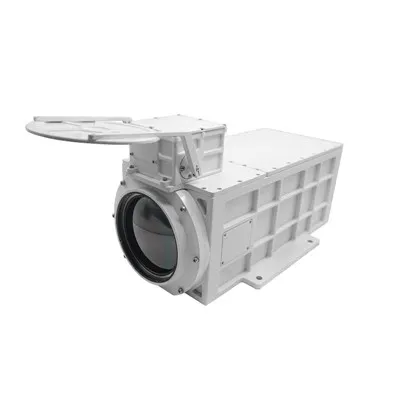
In conclusion, MWIR camera lenses have great potential for use in agricultural monitoring. They offer unique advantages in crop health assessment, soil moisture monitoring, and livestock monitoring. However, there are also challenges that need to be addressed, such as cost, weather conditions, and data analysis.
Optical Components With the right solutions in place, such as cost – sharing programs, weather – resistant designs, and training and support, MWIR camera lenses can become a valuable tool for farmers. If you’re interested in exploring how MWIR camera lenses can benefit your agricultural operations, I encourage you to reach out to me for a detailed discussion. We can work together to find the best solution for your specific needs.
References
- Johnson, A. (2018). "Advances in Infrared Technology for Agricultural Applications." Journal of Agricultural Engineering, 45(2), 123 – 135.
- Smith, B. (2019). "Thermal Imaging in Livestock Management." Animal Science Review, 32(3), 201 – 215.
- Brown, C. (2020). "Soil Moisture Monitoring Using Mid – Wave Infrared Cameras." Soil Science Journal, 56(4), 345 – 356.
Xi’an Zhongke Lead Ir-Tech Co., Ltd.
We are one of the most experienced mwir camera lens manufacturers in China, specialized in providing high quality OEM products with the industrial grade. We warmly welcome you to wholesale high performance mwir camera lens at an affordable price from our factory.
Address: Building 8,Hard Technology Enterprise Community No.3000,Biyuan 2nd Rd,High-Tech Zone Xi’an,Shaanxi,China
E-mail: sales@lead-ir.com
WebSite: https://www.leadinfrared.com/
