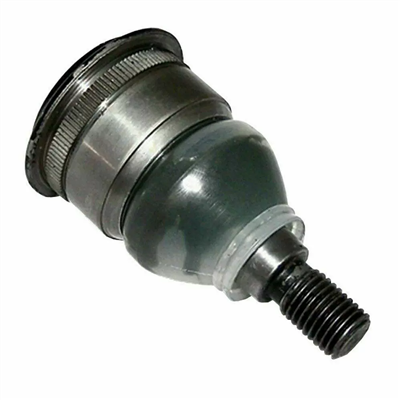
Yo, fellow gearheads and industry peeps! I’m stoked to be here as your go – to Inner Ball Joint supplier to chat about the environmental factors that can mess with these crucial components. Inner Ball Joint
Moisture and Corrosion
Let’s kick things off with moisture. You know, water is everywhere, and it’s not always our friend when it comes to inner ball joints. Rain, puddles, and even high humidity levels can spell trouble. When moisture gets in contact with these ball joints, it starts the corrosion process. You see, most inner ball joints are made of metal, and metal + water = rust.
Rust is like a silent killer for inner ball joints. It eats away at the surface of the joint, weakening its structure. As the corrosion progresses, the smooth movement of the ball inside the socket gets disrupted. You might start noticing a bit of play or looseness in the joint, and that’s not good news for the overall performance of your vehicle or machinery.
In areas near the coast, the situation can be even worse. The salt in the air increases the conductivity of water, making the corrosion happen at an accelerated rate. Saltwater exposure can cause pitting on the ball joint surface, which further degrades its mechanical properties. And once pitting starts, it’s like opening the floodgates for more severe damage.
Extreme Temperatures
Now, let’s talk about how temperature can have a big impact. Extreme heat can cause the lubricants inside the ball joints to break down. These lubricants are there to reduce friction and keep things running smoothly. When it gets really hot, like in a desert or during a long – haul drive in the summer, the viscosity of the lubricant changes. It might become too thin, which means it can’t properly coat the moving parts of the ball joint.
Without proper lubrication, the metal – on – metal contact increases. This leads to excessive wear and tear. The ball and socket can start to wear down quickly, and you’ll end up with a noisy and inefficient ball joint. In some cases, the heat can even cause the metal to expand, which can lead to misalignment and binding within the joint.
On the other hand, extreme cold is also a problem. When it’s freezing outside, the lubricant can thicken up. It becomes like molasses, and it can’t flow as easily to the areas where it’s needed. This lack of fluid lubrication means that the ball joint has to work harder to move, which can cause premature failure.
Dirt and Debris
Dirt and debris are constant threats to inner ball joints. On off – road vehicles or in industrial settings where there’s a lot of dust and small particles, these contaminants can find their way into the ball joint. Once inside, they act like sandpaper. They scratch the smooth surfaces of the ball and socket, causing micro – abrasions.
Over time, these micro – abrasions can turn into larger grooves, which can significantly reduce the lifespan of the ball joint. The dirt can also mix with the lubricant, creating a gritty paste that further accelerates wear. And if large debris like rocks or chunks of dirt get trapped in the joint, they can cause sudden damage, like cracking or even completely disrupting the movement of the ball.
Chemical Exposure
In some industrial environments, inner ball joints can be exposed to various chemicals. For example, in a manufacturing plant where there are cleaning agents, solvents, or acids, these chemicals can corrode the ball joint materials. Even in a regular automotive setting, things like road salts used in winter for de – icing can be considered a form of chemical exposure.
These chemicals can react with the metal and rubber components of the ball joint. They can break down the rubber seals that are supposed to keep the lubricant in and the contaminants out. Once the seals are compromised, it’s an open invitation for moisture, dirt, and other bad stuff to get inside the joint. And as we’ve already discussed, that can lead to all sorts of problems.
Vibration and Shock Loading
Vibration and shock loading are environmental factors that are often overlooked. In vehicles, especially those that drive on rough roads or in heavy – duty applications, the ball joints are constantly subjected to vibrations. These vibrations can cause the internal components of the ball joint to loosen over time.
Shock loading, which can occur when hitting a pothole or carrying heavy loads, puts sudden and intense stress on the ball joint. The repeated shock loading can cause fatigue in the metal, leading to cracks. And once a crack starts, it can propagate quickly, especially under the continuous stress of normal operation.
Impact on Vehicle Performance
When the inner ball joints are affected by these environmental factors, it has a direct impact on the vehicle’s performance. You might notice steering problems. The steering can become loose or unresponsive, which is a major safety concern. There could also be an increase in tire wear because the misaligned ball joints can cause the tires to not make proper contact with the road.
In industrial machinery, damaged inner ball joints can lead to reduced efficiency and increased downtime. For example, in a construction vehicle, a faulty ball joint can cause the equipment to operate erratically, leading to delays in projects.
Our Solutions as Suppliers
As an Inner Ball Joint supplier, we’re aware of all these environmental challenges. That’s why we go the extra mile to ensure the quality of our products. We use high – quality materials that are more resistant to corrosion, heat, and chemical exposure.
Our ball joints are designed with advanced sealing technology. These seals are made of durable rubber compounds that can withstand harsh environmental conditions. They do a great job of keeping the lubricant inside and the dirt and moisture out.

We also offer lubricants that are formulated to perform well in extreme temperatures. Whether it’s scorching hot or freezing cold, our lubricants will maintain their properties and keep the ball joints running smoothly.
Stainless Steel Ball Joint If you’re in the market for reliable inner ball joints, don’t hesitate to reach out to us. We’ve got the expertise and the products to meet your needs. Whether you’re a vehicle manufacturer, a repair shop, or an industrial operator, we can provide you with the right ball joints for your applications. Contact us to start a conversation about your requirements, and let’s work together to keep your machinery and vehicles in top – notch condition.
References
- Automotive Engineering Handbook, John Wiley & Sons
- Machinery Lubrication Manual, Industrial Press Inc.
- Corrosion Science: Principles and Applications, Elsevier
Taizhou Huazhe Auto Parts Co., Ltd.
As one of the most professional inner ball joint manufacturers and suppliers in China, we’re featured by quality products and low price. Please rest assured to buy bulk high-grade inner ball joint in stock here from our factory. For pricelist, contact us now.
Address: No. 2828, Binkang Avenue, Sanjia Street, Taizhou Bay New Area, Taizhou City, Zhejiang Province
E-mail: 19906762800@163.com
WebSite: https://www.huazheindustry.com/
