Choosing the right size of craft brewing equipment is a pivotal decision that can significantly impact the success and efficiency of your craft brewing venture. As a trusted supplier of craft brewing equipment, I’ve witnessed firsthand the challenges that brewers face when trying to determine the ideal equipment size for their operations. In this blog, I’ll share some valuable insights and considerations to help you make an informed decision. Craft Brewing Equipment
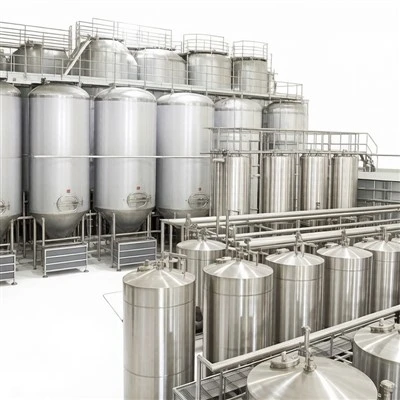
Understanding Your Production Goals
The first step in choosing the right size of craft brewing equipment is to clearly define your production goals. Are you a small – scale microbrewery looking to produce a limited quantity of specialty beers for a local market? Or are you planning to expand rapidly and supply to a wider regional or even national market?
If you’re just starting out, a smaller system might be the most practical choice. A one – barrel to five – barrel system can be perfect for brewing experimental batches, developing your recipes, and building a local customer base. These smaller systems are also more affordable in terms of upfront costs and require less space, making them ideal for brewers with limited capital and physical space.
On the other hand, if you have ambitious growth plans, investing in a larger system from the start might be a better strategy. A 10 – barrel or larger system allows you to produce more beer per batch, which can lead to economies of scale. You’ll be able to meet growing demand more efficiently, and potentially reduce your cost per unit. However, larger systems come with higher upfront costs, more complex operations, and greater space requirements.
Space Considerations
The amount of available space in your brewery is another crucial factor when choosing the size of your brewing equipment. Before making a purchase, carefully measure your brewing area, taking into account not only the footprint of the equipment itself but also the space needed for ancillary equipment, such as fermenters, storage tanks, and airlocks.
In addition to the physical space, you also need to consider factors like ventilation, drainage, and accessibility. For example, a large – scale brewing system may generate a significant amount of heat and steam, so proper ventilation is essential to maintain a safe and comfortable working environment. Adequate drainage is also necessary to handle the large volumes of water and waste produced during the brewing process.
Budget Constraints
Your budget will play a major role in determining the size of the craft brewing equipment you can afford. Smaller systems generally have a lower upfront cost, which can be a major advantage for new brewers or those with limited financial resources. However, it’s important to consider the long – term costs as well.
Smaller systems may require more frequent batches to meet production goals, which can lead to higher labor and energy costs over time. Larger systems, while more expensive upfront, can be more cost – effective in the long run due to economies of scale. You’ll be able to produce more beer per batch, potentially reducing your cost per unit of production.
When budgeting for your brewing equipment, don’t forget to factor in additional costs such as installation, maintenance, and spare parts. You may also need to invest in training for your staff to operate the equipment safely and efficiently.
Market Demand and Growth Projections
Assessing market demand is essential in determining the right size of your brewing equipment. Conduct market research to understand the current demand for craft beer in your area, as well as future trends. Look at factors such as population growth, consumer preferences, and the presence of competing breweries.
If you’re entering a market with high demand and limited competition, you may want to start with a larger system to capitalize on the opportunity. However, if the market is saturated or the demand is uncertain, a smaller system may be a safer option. You can start small, build your brand, and gradually expand your operations as the market grows.
Additionally, consider your growth projections. If you have a clear plan for expanding your distribution, opening new taprooms, or adding new product lines, you’ll need to choose equipment that can accommodate your future growth. It’s often more cost – effective to invest in a slightly larger system that can be scaled up over time than to replace your equipment once you outgrow it.
Flexibility and Upgradability
Flexibility is an important consideration when choosing craft brewing equipment. You may want to experiment with different brewing styles, recipes, or production methods in the future. A system that offers flexibility can allow you to adapt to changing market demands and consumer preferences.
For example, some brewing systems come with modular components that can be easily added or removed. This allows you to increase your production capacity or change your brewing process without having to replace the entire system. Upgradability is also important, as it enables you to keep your equipment up – to – date with the latest technology and industry standards.
Regulatory Requirements
Before purchasing any craft brewing equipment, it’s important to familiarize yourself with the relevant regulatory requirements. Different regions may have different laws and regulations regarding brewing operations, including equipment size, safety standards, and licensing.
Some areas may have restrictions on the size of brewing systems that can be operated in certain locations. For example, there may be limits on the volume of beer that can be produced in a residential or commercial area. Make sure you comply with all local, state, and national regulations to avoid any legal issues.
Conclusion
Choosing the right size of craft brewing equipment is a complex decision that requires careful consideration of your production goals, space, budget, market demand, flexibility, and regulatory requirements. As a craft brewing equipment supplier, I’m here to help you navigate this process and find the equipment that best suits your needs.
If you’re still unsure about the right size of equipment for your brewery, I encourage you to reach out to me for a consultation. We can discuss your specific situation in detail, and I can provide you with personalized recommendations based on my experience and expertise. Whether you’re a new brewer just starting out or an established brewery looking to expand, we have a wide range of high – quality brewing equipment options to choose from.
Brewhouse System Let’s work together to take your craft brewing business to the next level. Contact me today to start the conversation about finding the perfect equipment for your brewery.
References
- Bamforth, C. W. (2016). Brewing: science and practice. CRC press.
- Fix, G., & Fix, L. (1999). An analysis of brewing operations for product consistency and profitability. Brewers Publications.
- Kunze, W. (2004). Technology brewing and malting. VLB Berlin.
Wenzhou Jinggong Machinery Equipment Co., Ltd.
We are one of the most professional craft brewing equipment manufacturers and suppliers in China. With abundant experience, we warmly welcome you to buy customized craft brewing equipment at competitive price from our factory. If you have any enquiry about quotation, please feel free to email us.
Address: No.Jiadi Industrial Zone, Yaoxi Town, Longwan District, Wenzhou City, China.
E-mail: jinggong2026@163.com
WebSite: https://www.jg-ind.com/
