Can an ultrasonic cleaning machine for rollers be used in industrial settings? Ultrasonic Cleaning Machine For Rollers
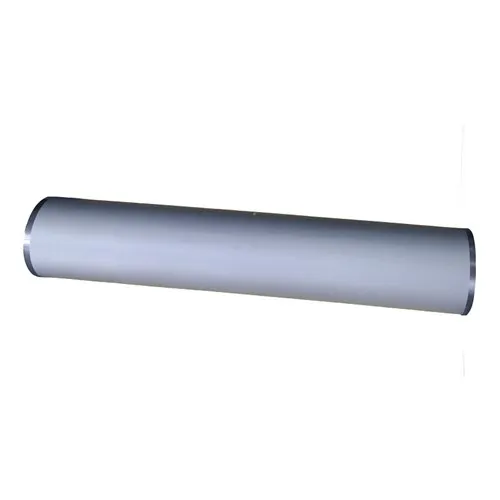
As a supplier specializing in ultrasonic cleaning machines for rollers, I’ve encountered numerous inquiries regarding the applicability of these machines in industrial environments. In this blog post, I’ll delve into the technical aspects, advantages, and limitations of using ultrasonic cleaning machines for rollers in industrial settings, providing you with comprehensive insights to help you make an informed decision.
Technical Principles of Ultrasonic Cleaning Machines for Rollers
Ultrasonic cleaning technology operates on the principle of cavitation. When high – frequency ultrasonic waves are transmitted through a liquid medium, they generate alternating high – and low – pressure cycles. In the low – pressure phase, microscopic bubbles, or cavities, form in the liquid. During the high – pressure phase, these bubbles implode rapidly, creating intense shockwaves. These shockwaves effectively dislodge dirt, contaminants, and residues from the surface of the rollers.
The ultrasonic cleaning process is highly precise. The frequency of the ultrasonic waves can be adjusted according to the type of contamination and the material of the rollers. For example, lower frequencies (around 20 – 40 kHz) produce larger and more powerful cavitation bubbles, which are suitable for heavy – duty cleaning of thick grease and stubborn contaminants. Higher frequencies (above 100 kHz) create smaller and more numerous bubbles, ideal for gentle cleaning of delicate rollers or removing fine particles.
Advantages of Using Ultrasonic Cleaning Machines for Rollers in Industrial Settings
1. Thorough Cleaning
Industrial rollers are often exposed to a variety of contaminants such as oil, grease, dust, and metal shavings. Ultrasonic cleaning machines can reach every nook and cranny of the roller surface, including hard – to – reach areas like grooves and holes. Unlike traditional cleaning methods such as manual scrubbing or brushing, which may leave behind residues, ultrasonic cleaning ensures a more comprehensive and consistent cleaning result.
2. Time – Saving
In an industrial environment, time is of the essence. Manual cleaning can be a labor – intensive and time – consuming process. Ultrasonic cleaning machines can significantly reduce cleaning time. For example, a large roller that might take hours to clean manually can be cleaned within minutes using an ultrasonic cleaning machine, allowing for faster turnaround times and increased productivity.
3. Non – Abrasive Cleaning
Many industrial rollers are made of materials that are sensitive to abrasion, such as precision – ground metal or coated surfaces. Ultrasonic cleaning is a non – abrasive method. Since the cleaning action relies on cavitation rather than physical contact, it will not scratch or damage the roller surface, maintaining the integrity and performance of the rollers over time.
4. Environmentally Friendly
Ultrasonic cleaning machines typically use water – based cleaning solutions, which are less harmful to the environment compared to some chemical cleaning agents used in traditional methods. Additionally, the reduced need for manual labor also means less energy consumption associated with human – operated cleaning equipment.
Applications in Different Industries
1. Printing Industry
In the printing industry, rollers are used to transfer ink evenly onto the printing substrate. Over time, ink residues can accumulate on the rollers, affecting print quality. Ultrasonic cleaning machines can effectively remove ink residues, restoring the rollers’ performance and ensuring high – quality prints.
2. Textile Industry
Textile rollers are often exposed to fibers, oils, and dyes. Ultrasonic cleaning can keep these rollers clean, preventing fiber entanglement and color transfer issues, which are crucial for maintaining the quality of textile products.
3. Packaging Industry
Rollers in the packaging industry are used for processes such as laminating, embossing, and printing. Contaminants on these rollers can lead to defects in the packaging materials. Ultrasonic cleaning helps to keep the rollers in optimal condition, reducing production waste and improving overall efficiency.
Limitations and Considerations
1. Size and Capacity
Industrial rollers come in various sizes, from small rollers used in precision machinery to large rollers in heavy – duty manufacturing. When choosing an ultrasonic cleaning machine, it’s essential to ensure that the machine has a suitable tank size and capacity to accommodate the rollers. Some very large rollers may require custom – designed ultrasonic cleaning systems.
2. Material Compatibility
Although ultrasonic cleaning is generally non – abrasive, certain materials may be sensitive to the cleaning solution or the cavitation effect. For example, some soft plastics or rubber materials may be damaged by the ultrasonic waves or the cleaning chemicals. It’s important to test the compatibility of the roller material with the cleaning solution and ultrasonic frequency before full – scale cleaning.
3. Initial Investment
The cost of an ultrasonic cleaning machine can be relatively high, especially for industrial – grade models with large capacities and advanced features. However, it’s important to consider the long – term savings in terms of labor, productivity, and reduced downtime due to more effective cleaning.
Making the Right Choice
If you’re considering investing in an ultrasonic cleaning machine for rollers in your industrial setting, here are some key factors to keep in mind:
- Determine Your Cleaning Requirements: Consider the type of contaminants on your rollers, the frequency of cleaning, and the required cleaning quality. This will help you choose the right ultrasonic frequency and cleaning solution.
- Select the Appropriate Size and Capacity: Measure the dimensions of your rollers and estimate the number of rollers you need to clean at once. Select a machine with a tank size and capacity that can meet your needs.
- Evaluate the Machine’s Features: Look for features such as adjustable ultrasonic frequency, temperature control, and built – in filtration systems. These features can enhance the cleaning performance and efficiency of the machine.
Conclusion
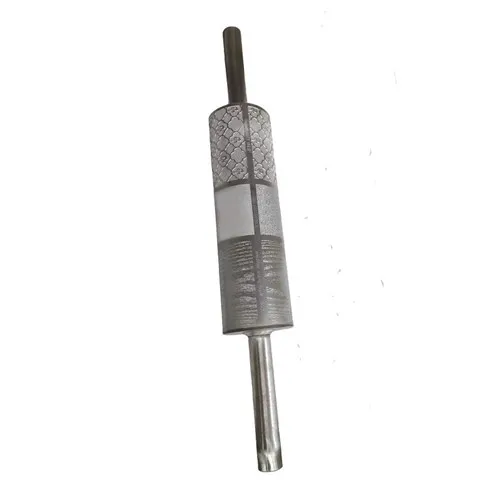
In conclusion, ultrasonic cleaning machines for rollers are highly suitable for industrial settings. Their ability to provide thorough, non – abrasive, and time – saving cleaning makes them a valuable asset for various industries. While there are some limitations and considerations, with careful selection and proper operation, these machines can significantly improve the efficiency and quality of industrial cleaning processes.
Anilox Sleeve If you’re interested in learning more about our ultrasonic cleaning machines for rollers or would like to discuss a custom – tailored solution for your specific industrial needs, we invite you to reach out for a procurement negotiation. Our team of experts is ready to provide you with detailed information and support to help you make the best decision for your business.
References
- "Ultrasonic Cleaning: Principles and Applications" by Peter K. Jaeger
- "Industrial Cleaning Technology" edited by John F. Smith
Address: No. 1093, B Zone, No. 2 Xugongqiao Rd, Huaqiao Town, Kunshan City, Suzhou, Jiangsu, China
E-mail: info@kshhroller.com
WebSite: https://www.kshh-roller.com/
